Essential Firearms Training for Every Skill Level

Firearms training is not just for law enforcement or military personnel; it is essential for anyone who owns or plans to use a firearm. Whether you are a beginner or an experienced shooter, understanding the fundamentals of firearms safety, handling, and marksmanship is crucial. In this blog post, we will explore the various aspects of firearms training that cater to every skill level, ensuring that you can improve your skills and stay safe.
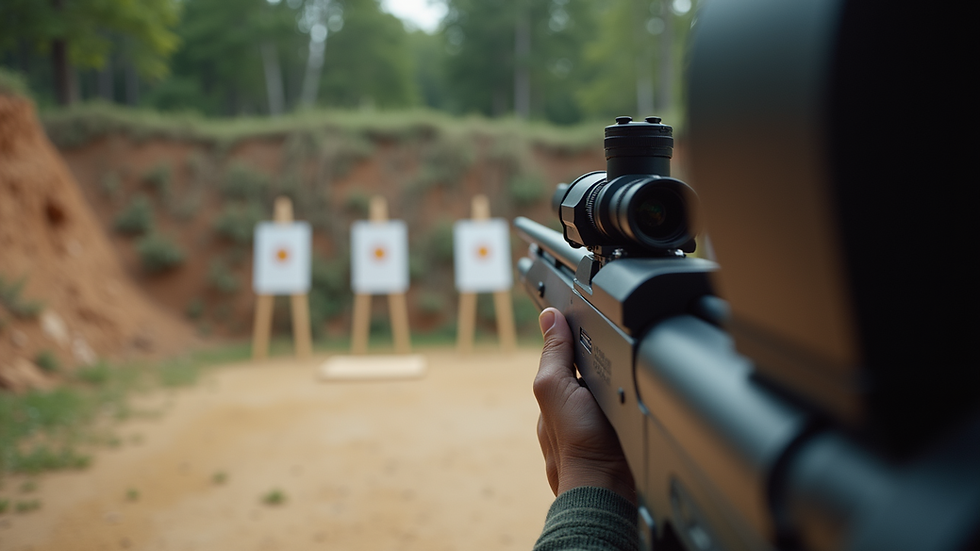
Understanding Firearms Safety
The Importance of Safety
Safety should always be the top priority when handling firearms. According to the National Safety Council, nearly 500 accidental shootings occur each year in the United States. Many of these incidents could be prevented with proper training and awareness. Here are some key safety rules to follow:
Treat every firearm as if it is loaded. Always assume that a gun is loaded, even if you believe it is not.
Keep the muzzle pointed in a safe direction. This means never pointing a firearm at anything you do not intend to shoot.
Keep your finger off the trigger until you are ready to shoot. This helps prevent accidental discharges.
Be aware of your target and what is beyond it. Know what you are shooting at and what lies behind it.
Basic Safety Training
For beginners, enrolling in a basic firearms safety course is highly recommended. These courses cover essential topics such as:
Firearm types and their functions
Safe handling and storage practices
Understanding ammunition and its components
Basic shooting positions and techniques
Advanced Safety Considerations
For more experienced shooters, advanced safety training can help refine your skills. This may include:
Situational awareness training
Defensive shooting techniques
Understanding the legal implications of using a firearm
Developing Marksmanship Skills
Fundamentals of Shooting
Marksmanship is a critical component of firearms training. It involves mastering the basic skills needed to shoot accurately. Here are the fundamental elements of marksmanship:
Stance: Your body position should provide stability and balance. A proper stance allows for better control of the firearm.
Grip: A firm grip on the firearm is essential for accuracy. Ensure your hands are positioned correctly on the firearm.
Sight Alignment: Proper alignment of the front and rear sights is crucial for accurate shooting. Focus on the front sight while keeping the target slightly blurred.
Trigger Control: Smooth and consistent trigger pull is vital. Avoid jerking the trigger, which can lead to inaccurate shots.
Practice Makes Perfect
Regular practice is key to improving your marksmanship. Here are some effective practice techniques:
Dry Fire Drills: Practicing trigger control and sight alignment without live ammunition can help reinforce good habits.
Live Fire Practice: Regularly visit a shooting range to practice with live ammunition. Focus on different distances and shooting positions.
Use of Targets: Incorporate various target types to challenge your skills. Paper targets, steel plates, and reactive targets can all enhance your training.
Choosing the Right Training Program
Beginner Training Programs
For those new to firearms, finding a reputable training program is essential. Look for programs that offer:
Certified Instructors: Ensure that instructors are certified and have experience in teaching firearms safety and marksmanship.
Hands-On Training: Practical experience is vital. Choose programs that offer hands-on training in a controlled environment.
Small Class Sizes: Smaller classes allow for more personalized instruction and feedback.
Intermediate and Advanced Training
As you progress, consider more specialized training programs. These may include:
Defensive Shooting Courses: Focus on techniques for self-defense situations.
Tactical Training: Learn how to handle firearms in high-stress environments.
Competition Shooting: Join competitive shooting leagues to enhance your skills and meet other enthusiasts.
The Role of Technology in Firearms Training
Virtual Reality Training
Advancements in technology have introduced virtual reality (VR) training for firearms. VR training can provide a realistic shooting experience without the need for live ammunition. Benefits include:
Safe Environment: Practice scenarios without the risk of injury.
Immediate Feedback: VR systems can provide instant feedback on your performance.
Variety of Scenarios: Train in various environments and situations to enhance decision-making skills.
Online Resources
Numerous online resources are available for firearms training. Websites, forums, and video tutorials can supplement your learning. Look for:
Reputable Instructors: Follow content from certified firearms instructors.
Diverse Topics: Explore a range of topics, from basic safety to advanced shooting techniques.
Community Engagement: Join online forums to connect with other firearm enthusiasts and share experiences.
Legal Considerations in Firearms Training
Understanding Firearm Laws
Before engaging in firearms training, it is crucial to understand the laws governing firearm ownership and use in your area. Laws can vary significantly by state and locality. Key points to consider include:
Ownership Regulations: Know the requirements for purchasing and owning a firearm.
Concealed Carry Laws: If you plan to carry a firearm, familiarize yourself with concealed carry laws and requirements.
Use of Force Laws: Understand the legal implications of using a firearm in self-defense situations.
Training for Legal Compliance
Many training programs also cover legal aspects of firearms use. This can help ensure that you are not only a skilled shooter but also a responsible gun owner. Topics may include:
Understanding self-defense laws
Legal responsibilities when using a firearm
Reporting incidents involving firearms
Conclusion
Firearms training is essential for anyone who owns or plans to use a firearm. By prioritizing safety, developing marksmanship skills, and choosing the right training programs, you can become a responsible and proficient shooter. Remember, training is an ongoing process. Stay committed to improving your skills and knowledge, and always prioritize safety in every aspect of firearms use.
As you embark on your firearms training journey, consider enrolling in a course that matches your skill level. Whether you are a beginner or an experienced shooter, there is always room for improvement. Stay informed, practice regularly, and connect with other firearm enthusiasts to enhance your training experience.


Comments