Real-World Scenarios: The Future of Firearms Training

Firearms training is evolving rapidly, driven by advancements in technology and a growing understanding of effective teaching methodologies. As we look to the future, it is essential to explore how these changes will shape the way individuals and professionals engage with firearms. This post will delve into real-world scenarios that illustrate the future of firearms training, highlighting innovative approaches, technologies, and methodologies that are set to redefine the landscape.
The Shift Towards Realistic Training Environments
Importance of Realism in Training
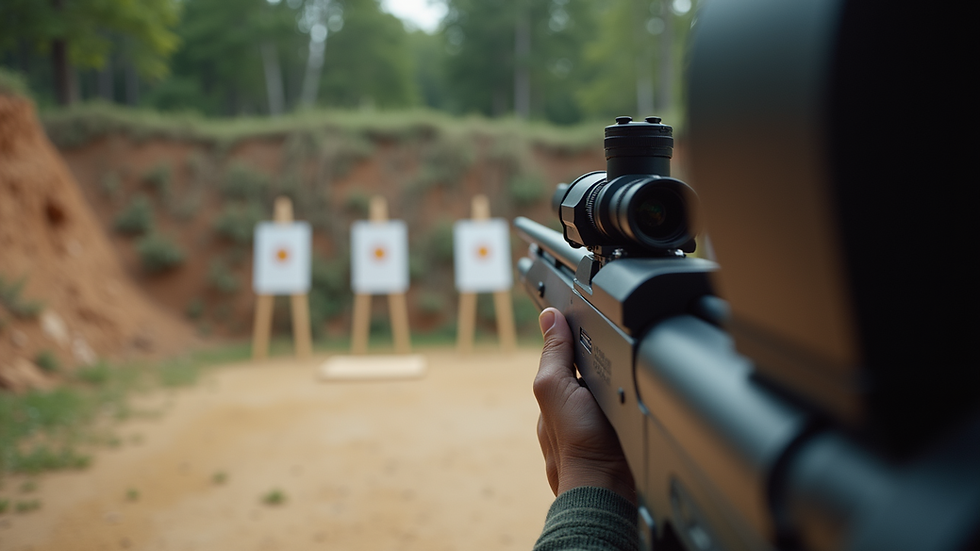
In traditional firearms training, the focus has often been on static targets and controlled environments. However, as the nature of threats evolves, so too must the training methods. Realistic training environments are crucial for preparing individuals for high-stress situations.
Scenario-Based Training: This approach immerses trainees in realistic scenarios that mimic potential real-life situations. For example, law enforcement agencies are increasingly using simulation technology to create dynamic environments where officers can practice decision-making under pressure.
Use of Virtual Reality (VR): VR technology allows trainees to experience lifelike scenarios without the risks associated with live-fire exercises. This method not only enhances engagement but also provides immediate feedback, allowing for rapid skill development.
Example: Law Enforcement Training
Consider a police department that integrates VR into its training regimen. Officers can engage in virtual scenarios where they must assess threats, communicate with civilians, and make split-second decisions. This method not only improves their tactical skills but also enhances their ability to de-escalate potentially dangerous situations.

Incorporating Technology into Firearms Training
Advanced Simulation Systems
The future of firearms training is heavily reliant on technology. Advanced simulation systems are becoming more prevalent, offering a range of benefits:
Real-Time Feedback: These systems provide immediate feedback on performance, allowing trainees to identify areas for improvement quickly.
Customizable Scenarios: Instructors can tailor scenarios to meet the specific needs of their trainees, ensuring that each session is relevant and challenging.
Example: Military Training
In military settings, advanced simulation systems are used to prepare soldiers for combat scenarios. For instance, a unit might use a simulation that replicates urban warfare, complete with moving targets and environmental challenges. This level of preparation is invaluable, as it allows soldiers to practice tactics and teamwork in a safe yet realistic setting.
Emphasizing Mental Preparedness
The Role of Mental Conditioning
As firearms training evolves, there is a growing recognition of the importance of mental preparedness. Trainees must not only develop physical skills but also cultivate the mental resilience needed to perform under pressure.
Stress Inoculation Training: This method exposes trainees to stressful situations in a controlled environment, helping them learn to manage their physiological and psychological responses.
Example: Civilian Self-Defense Courses
In civilian self-defense courses, instructors are increasingly incorporating mental conditioning exercises. For example, participants might engage in role-playing scenarios where they must respond to an aggressive encounter. This approach helps build confidence and prepares individuals for real-world confrontations.
The Role of Data and Analytics
Leveraging Performance Data
Data analytics is becoming a crucial component of firearms training. By collecting and analyzing performance data, instructors can gain insights into individual and group performance trends.
Personalized Training Plans: Instructors can use this data to create personalized training plans that address specific weaknesses and track progress over time.
Example: Competitive Shooting
In competitive shooting, athletes often use data analytics to refine their techniques. By analyzing shot placement, timing, and other metrics, shooters can identify patterns and make adjustments to improve their performance.
The Future of Firearms Training: A Holistic Approach
Integrating Physical and Mental Training
The future of firearms training will likely see a more holistic approach that integrates physical skills with mental conditioning and situational awareness. This comprehensive training model will prepare individuals not only to handle firearms effectively but also to navigate the complexities of real-world situations.
Cross-Disciplinary Training: Incorporating elements from psychology, physiology, and tactical training can create a more well-rounded training experience.
Example: Comprehensive Self-Defense Programs
Comprehensive self-defense programs that combine physical training with mental preparedness and situational awareness are gaining popularity. These programs teach participants not only how to use firearms but also how to assess threats and make informed decisions in high-pressure situations.
Conclusion: Embracing the Future of Firearms Training
As we look ahead, the future of firearms training is bright, characterized by innovation and a commitment to realism. By embracing new technologies, emphasizing mental preparedness, and adopting a holistic approach, we can ensure that individuals are well-equipped to handle the challenges of the modern world.
The evolution of firearms training is not just about improving shooting skills; it is about preparing individuals to respond effectively and responsibly in a variety of scenarios. As we continue to explore these advancements, it is crucial to remain focused on creating safe, effective, and realistic training environments that foster growth and development.
Call to Action
For those involved in firearms training, whether as instructors or trainees, consider how you can incorporate these innovative approaches into your practice. Embrace technology, prioritize mental conditioning, and strive for a comprehensive training experience that prepares you for the realities of the world.

Comments